The relationship between Jay-Z, the NFL, and Colin Kaepernick’s protest movement has returned to the spotlight after comments from Nessa Diab, Kaepernick’s longtime partner. She criticized Jay-Z’s partnership with the NFL, arguing that the deal changed the conversation around Colin’s protest and shifted attention away from the issues of racial injustice and police brutality that inspired it.
Nessa believes that when Roc Nation partnered with the NFL in 2019, it affected the momentum behind Colin’s message. She suggested that business opportunities, entertainment deals, and corporate relationships should not replace the original purpose of a movement. Her comments have reignited discussions about whether powerful partnerships help create change or weaken the message they are meant to support.
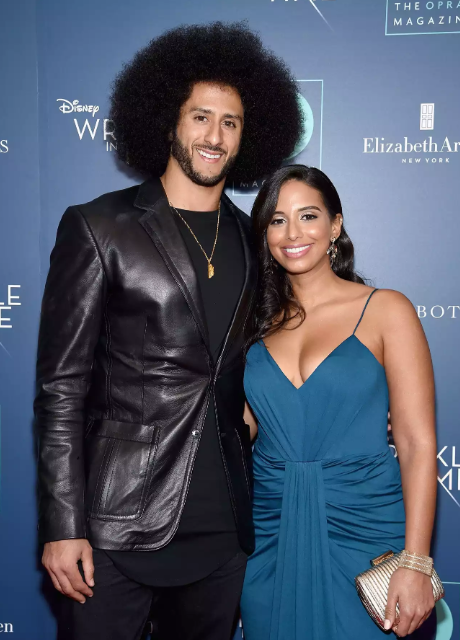
Supporters of Jay-Z’s decision argue that working with major organizations can provide an opportunity to create change from the inside. They believe the NFL partnership helped increase representation, create new opportunities, and give more voices a place at the table. Others, however, feel that partnering with corporations can sometimes turn social movements into branding efforts rather than meaningful action.
The controversy raises a larger question about activism in today’s world: When a corporation offers influence and resources, is working with them a smart strategy for long-term progress, or does it come at the cost of the original message? The debate over Jay-Z and Colin Kaepernick’s approaches continues, with people on both sides questioning what true change should look like.