The United States has recorded more than 2,295 confirmed measles cases by mid-July 2026, marking the highest annual total in 35 years. With several months still remaining in the year, health officials expect the number to rise further. Once considered eliminated in the U.S., measles has returned through multiple outbreaks across several states, raising concerns about declining community immunity.
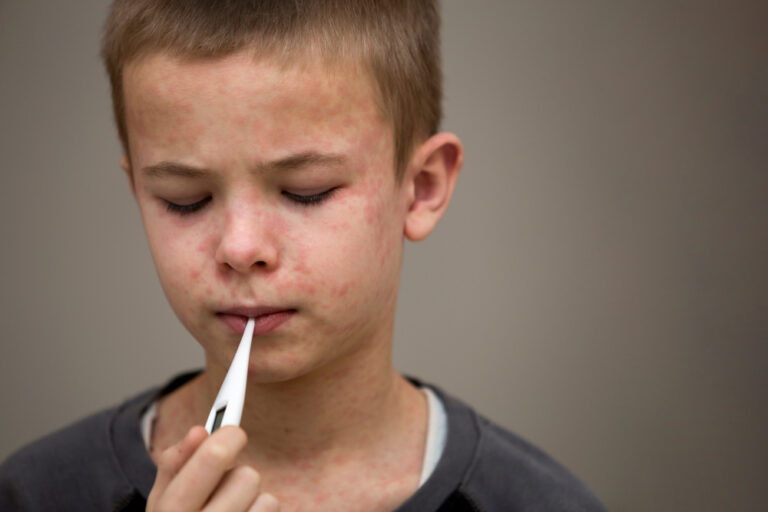
Measles is one of the most contagious viruses in the world. It spreads through respiratory droplets that can remain in the air for up to two hours after an infected person leaves an area. Early symptoms include fever, cough, runny nose, and red eyes, while infected individuals can spread the virus before the well-known rash appears, making outbreaks difficult to control.
Experts say the resurgence is largely linked to declining vaccination rates in some communities. According to the CDC, more than 90% of reported cases involve people who were unvaccinated or whose vaccination status was unknown. As vaccination coverage drops, the virus can spread rapidly among people who lack immunity, creating larger and longer-lasting outbreaks.
Health officials encourage people to stay informed about local outbreaks, recognize early symptoms, and seek medical advice if exposure is suspected. Maintaining good overall health is important, but public health experts emphasize that high community immunity remains the most effective way to reduce the spread of measles and protect those who are most vulnerable.