Rashawn Williams, a 33-year-old man with Down syndrome who is nonverbal and requires 24-hour supervision, was allegedly trapped inside an emergency area at a Maryland Metro station for six days without food, water, light, or a toilet. According to a lawsuit filed by his family, Williams had gone missing from his caregiver, travelled alone on the Metro, and ended up at Glenmont station after service ended.
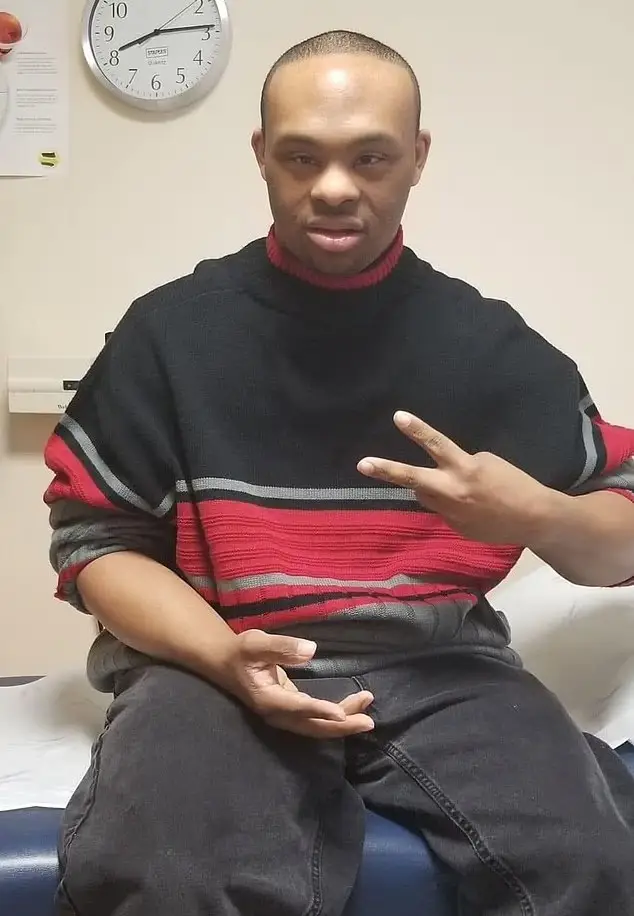
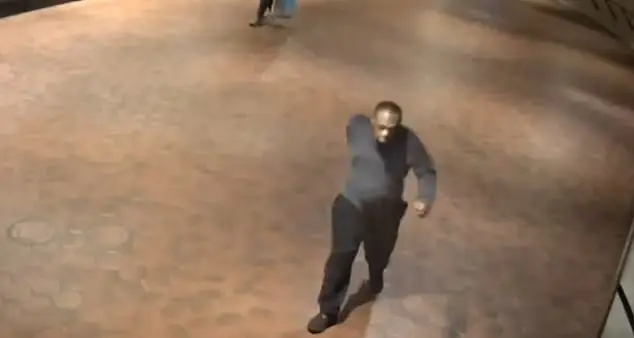
The lawsuit claims a Metro employee told Williams to leave the train but failed to make sure he safely exited the station. Williams reportedly appeared confused and went to a station kiosk seeking help, but the employee there was allegedly distracted by a personal phone call. He later entered an emergency “Area of Refuge,” where the door locked behind him. No one reportedly checked the area for six days.
When police finally found Williams, the allegations were horrifying. He was reportedly severely dehydrated and undernourished and covered in his own urine and feces, with bugs reportedly nesting in his hair. His father, Jimmy Hall, described spending days searching for his son and said that by the fifth day, he feared he was searching for his body. A federal judge has allowed the family’s lawsuit against WMATA to proceed, stating that employees allegedly ignored clear signs of distress.
The case has raised serious questions about how vulnerable and disabled passengers are treated when they need help. Williams’ family is seeking accountability from both the Metro authority and his caregiver, while WeAchieve denies allegations of negligence and has pointed to WMATA regarding the injuries. Whatever the final outcome, the story is a heartbreaking reminder that a few minutes of attention and basic human compassion could potentially have prevented six days of unimaginable suffering.