Cilantro is more than just a flavorful garnish—it’s a low-calorie herb packed with vitamins, minerals and beneficial plant compounds. It provides vitamin K, vitamin A, vitamin C, potassium and antioxidants such as quercetin and other polyphenols. These nutrients help support normal immune function, bone health and protection against oxidative stress.
Research suggests cilantro may have antioxidant, anti-inflammatory and antimicrobial properties, while early studies have explored its potential effects on blood sugar, cholesterol and digestion. Some research also suggests that compounds found in cilantro may support healthy circulation and protect cells from oxidative damage. However, many of these findings come from laboratory or animal studies, so more human research is needed.
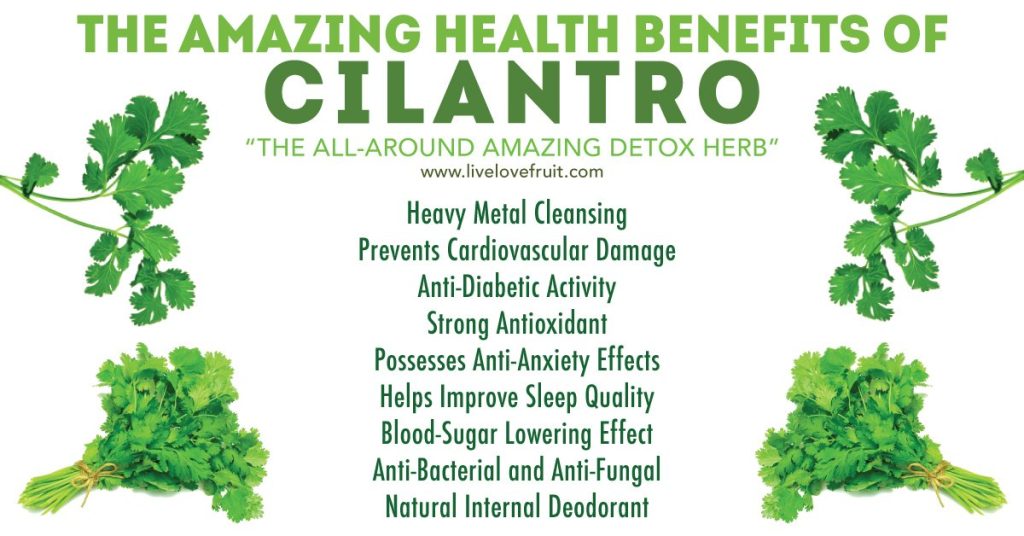
One popular claim is that cilantro can “detox” heavy metals such as lead or mercury. While laboratory and animal studies have produced interesting results, there isn’t enough strong evidence from human studies to conclude that cilantro can remove dangerous levels of heavy metals. It should not replace medical treatment or proven therapies for heavy-metal exposure.
Adding cilantro to your diet is easy. Sprinkle fresh leaves over salads, soups, tacos and curries, or blend them into salsa, hummus, pesto or smoothies. For most people, cilantro is safe as part of a normal diet, although allergies are possible. It isn’t a miracle cure, but this simple herb can be a nutritious addition to a balanced diet, providing valuable nutrients and beneficial plant compounds while adding plenty of fresh flavor.