Leaving your phone charger plugged into the wall with nothing connected may seem completely harmless—but there are a few reasons to avoid making it a habit. 🔌📱 Many modern chargers consume a tiny amount of electricity while idle, and quality adapters are generally designed to do this safely. However, old, damaged, counterfeit, or poorly made chargers can pose a greater risk, particularly if they overheat or develop an electrical fault.
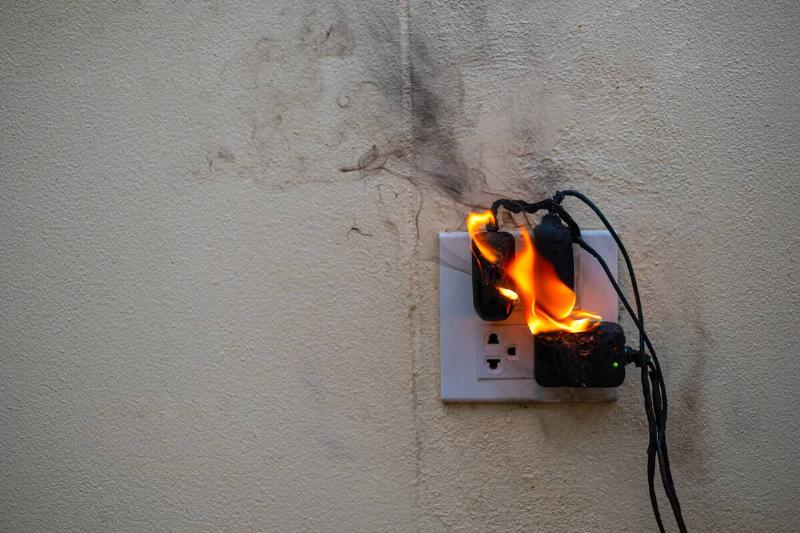
Where you leave the charger matters, too. ⚠️ Never place an adapter under a pillow, blanket, clothing, or other objects that can trap heat. Chargers need adequate airflow, and blocking ventilation can cause temperatures to rise. Also watch for warning signs such as unusual heat, buzzing or crackling, a burning smell, discoloration, or damaged cables. If you notice any of these, unplug the charger and replace it.
Unplugging unused chargers can also eliminate unnecessary standby electricity consumption. One charger uses very little power, but several adapters left connected around the house can add up over months and years. Disconnecting them when they aren’t needed is a simple habit that can reduce wasted energy and keeps the adapter from remaining energized unnecessarily. ⚡
The safest approach is simple: use quality, safety-certified chargers and keep them on a hard, open surface while charging. 🛡️ Avoid damaged cables, overloaded outlets, and poorly ventilated areas. When you’re finished charging, unplug the adapter when practical—especially before leaving home or going to bed. A few seconds at the outlet can help reduce unnecessary energy use and, more importantly, keep damaged equipment from becoming a potential hazard. ❤️🔌