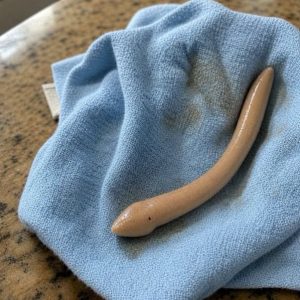
The Little Scalp Invader: What Parents Should Do When a Strange Bug Appears in Their Child’s Hair

Finding a tiny moving speck in your child’s hair triggers instant panic. But most scalp bugs are manageable. Head lice are the most common—sesame-sized, tan or gray, wingless crawlers. Their eggs (nits) are oval and glued tightly to hair shafts, usually behind ears or near the neck. Ticks are different: flat, dark, eight-legged, and attach to the skin. Accidental visitors like ants or beetles may simply wander in. Stay calm—children mirror your reaction.

If the bug is crawling freely, remove it with tissue or tweezers. If attached like a tick, use fine-tipped tweezers, pull upward steadily, and clean the area. For lice, the wet combing method works best: apply conditioner generously, divide hair into sections, comb slowly from scalp to ends with a metal nit comb, and wipe on white paper towel. Repeat every 3–4 days for two weeks.

Lice do not jump or fly. They spread through close contact, not poor hygiene. Many children have no itching at all. After removal, wash pillowcases, hats, and bedding on warm cycle. You do not need to fumigate or throw away furniture. Overreacting helps no one.

Talk to your child calmly: “This happens to lots of kids. We’ll take care of it together.” Seek medical advice if a tick bite shows signs of infection, rash spreads, fever develops, or lice persist despite consistent treatment. You noticed, you responded—that is effective parenting. With light, patience, and a good comb, this is just one small chapter you now know how to handle.


Related Posts

Nebulas3xual is an emerging identity

Nebulasexual is an emerging identity that resonates with neurodivergent individuals whose experience of attraction is hazy, unpredictable, and hard to define. Unlike being merely “questioning,” nebulasexuality acknowledges…

VANISHING LINES OF SIGHT

Our eyes often convince us that what we see is complete and certain—a floating figure, an impossible staircase, a structure that seems to defy logic. At first…

What Happens to Your Body When You Eat Purslane Every Day — Especially After 60

Eating purslane daily, especially after 60, offers remarkable health benefits. Its omega-3 fatty acids reduce triglycerides, lower blood pressure, and decrease inflammation, protecting against heart attacks and…

What Are Eye Floaters? Here What To Do If you Start Seeing Them, According to an Eye Doctor

Eye floaters are small shapes like squiggly lines, specks, or cobwebs that drift across your vision, especially against bright backgrounds. They are typically caused by age-related changes…

What Doctors Say About Eating Banana and Its Effects on the Body

Bananas are a widely enjoyed fruit known for their convenience, taste, and nutritional value. They require no preparation and are easy to carry, making them a practical…

That Little Hole In A Safety Pin Isn’t Just for Looks — Here’s What It’s REALLY For

That small hole in a safety pin is not a random detail—it serves a practical purpose that often goes unnoticed. While the pin already works as a…

Leave a Reply

Your email address will not be published. Required fields are marked *