Foodborne parasites are organisms that can enter the human body through contaminated food or water. Unlike bacteria or viruses, parasites can sometimes live inside the body for long periods without being noticed immediately. They are most commonly linked to undercooked meat, unsafe water, raw seafood, and unwashed fruits or vegetables.
Some of the best-known foodborne parasites include tapeworms, Toxoplasma gondii, Giardia, and Trichinella. Certain types are often associated with specific foods. For example, parasites may appear in raw or undercooked pork, beef, or wild game meat, while others are found in contaminated water or poorly cleaned produce. Raw fish and seafood can also carry parasites if not handled or prepared properly.
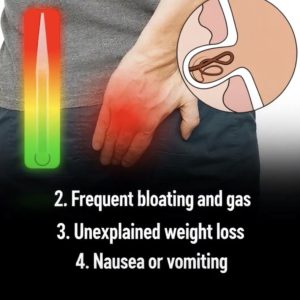
Symptoms can vary depending on the parasite, but common signs may include stomach pain, diarrhea, nausea, bloating, fatigue, or unexplained weight loss. In some cases, infections can become more serious, especially for children, older adults, or people with weakened immune systems.
Health experts recommend several ways to reduce the risk of foodborne parasites. Meat should always be cooked thoroughly to safe internal temperatures, while fruits and vegetables should be washed carefully before eating. Drinking clean, safe water is also essential, especially when traveling to areas where water sanitation may be uncertain.Good kitchen hygiene also plays an important role. Washing hands, cleaning cutting boards, and avoiding cross-contamination between raw meat and other foods can help prevent the spread of harmful organisms.While foodborne parasites are not extremely common in many developed countries, they still remain an important food safety concern worldwide.