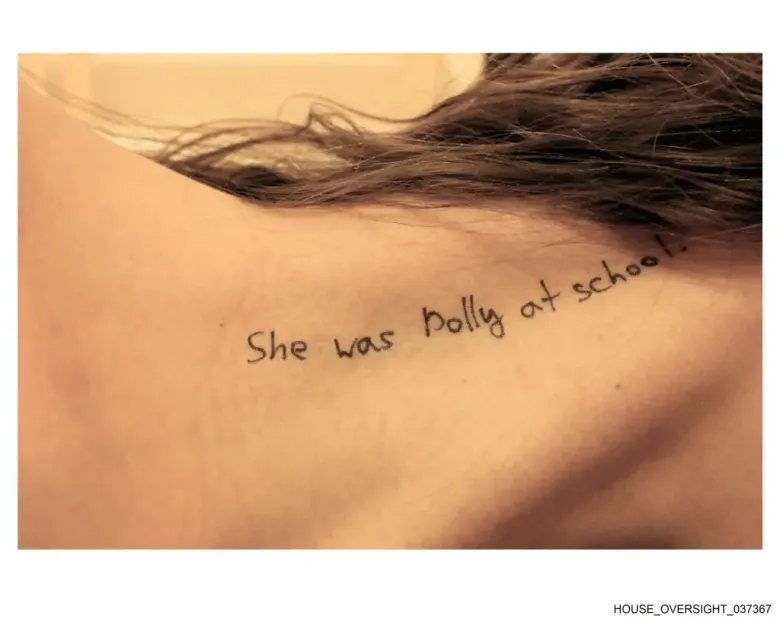
Among the millions of pages, images, and videos released through the Epstein Transparency Act were photographs that drew widespread attention because they appeared to show women with handwritten passages from Lolita, the controversial 1955 novel by Vladimir Nabokov. The images became one of the most discussed discoveries in the document release, renewing public focus on evidence collected during the years-long investigation into Jeffrey Epstein’s alleged trafficking network.
The broader release included records, photographs, and other materials connected to the investigation, including redacted passports, property records, and images of Epstein with several well-known public figures. Authorities also released documents related to his private properties and additional investigative evidence. While some public figures acknowledged having met Epstein, appearing in released materials or photographs does not by itself imply criminal wrongdoing, and several have publicly denied any involvement in his crimes.
Another document that attracted attention was a screenshot of an alleged text exchange appearing to discuss the recruitment of young women. Investigators and court records have previously alleged that Epstein and his longtime associate, Ghislaine Maxwell, used recruiters to bring victims into their network. Maxwell was convicted in 2021 on federal sex trafficking-related charges, while Epstein died in federal custody in 2019 before standing trial.
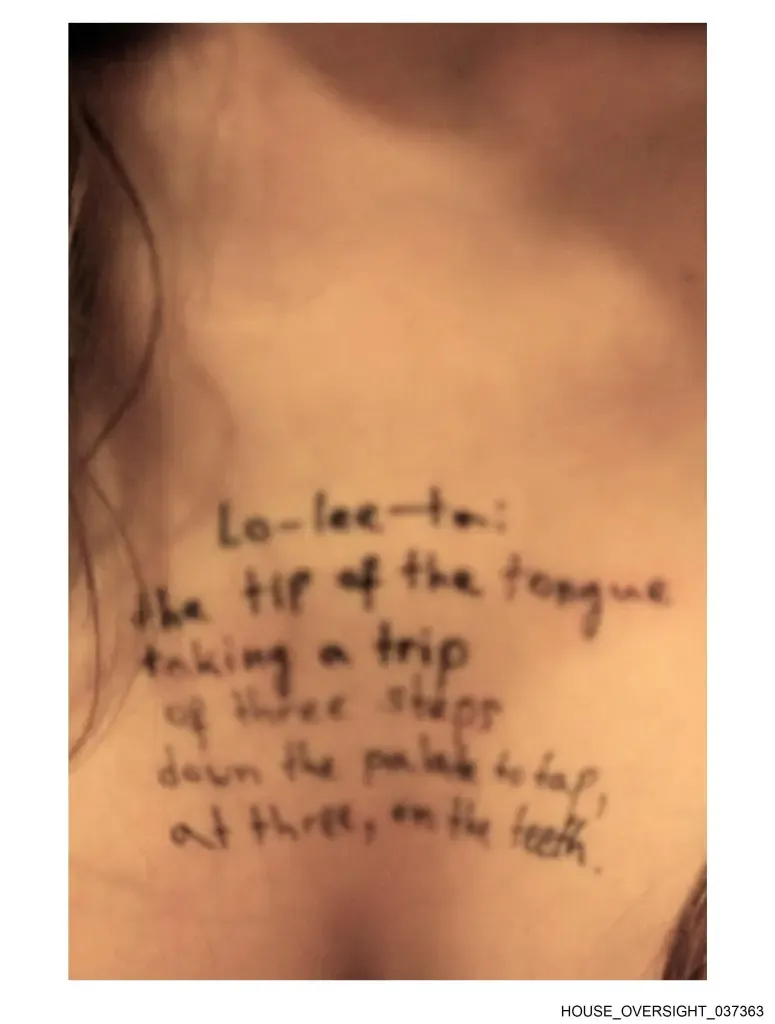
The photographs featuring Lolita quotations were among the most unsettling items released, with excerpts reportedly written across different parts of the women’s bodies. The identities of the women were concealed, and the purpose or context of the photographs has not been publicly established. As with other materials released during the investigation, the images have fueled renewed public discussion, though investigators continue to emphasize that individual pieces of evidence must be interpreted within the context of the broader investigation and court proceedings.