Fashion has changed dramatically over the past century, reflecting shifts in culture, lifestyle, and personal expression. Looking back at styles from 1915 to 2015 reveals how both men’s and women’s clothing evolved from highly structured outfits to more comfortable, versatile, and individual looks. What was once considered fashionable often seems surprising today, yet every era left its mark on modern style.
The early decades featured elegant dresses, tailored suits, and accessories that defined social status and sophistication. The 1920s introduced the bold flapper look, while the 1940s brought polished, practical fashion influenced by wartime realities. By the 1950s and 1960s, styles became more colorful and experimental, with leather jackets, bright dresses, and iconic silhouettes capturing the spirit of the times.
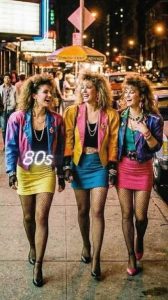
The 1970s embraced denim, turtlenecks, oversized glasses, and free-spirited trends, while the 1980s became known for big hair, bold colors, and unforgettable fashion risks. In the 1990s, grunge-inspired clothing gained popularity, and by the early 2000s, fashion moved toward cleaner fits and more modern designs. Each decade reflected changing attitudes and a growing desire for individuality.
Today’s fashion combines comfort, functionality, and creativity more than ever before. People have greater freedom to express their personalities without being restricted by strict social expectations. While some trends from the past are best left in history, others continue to inspire designers and fashion lovers. Looking back at 100 years of style reminds us that fashion is constantly evolving, and every generation adds something unique to the story.