A team of ecologists in Australia has made an exciting discovery that offers new hope for one of the country’s most threatened native animals. While monitoring wildlife at Mt Gibson Wildlife Sanctuary, researchers found a litter of newborn western quolls, also known as chuditchs—a promising sign that the endangered marsupials are successfully breeding in an area where they had previously disappeared.
Western quolls once roamed much of Australia, but their numbers declined dramatically after European settlement due to habitat loss, introduced predators, and other environmental pressures. Today, they survive only in small populations in the southwest of Western Australia. About the size of a domestic cat, these carnivorous marsupials play an important role in maintaining healthy ecosystems by helping control populations of insects, reptiles, and other small animals.
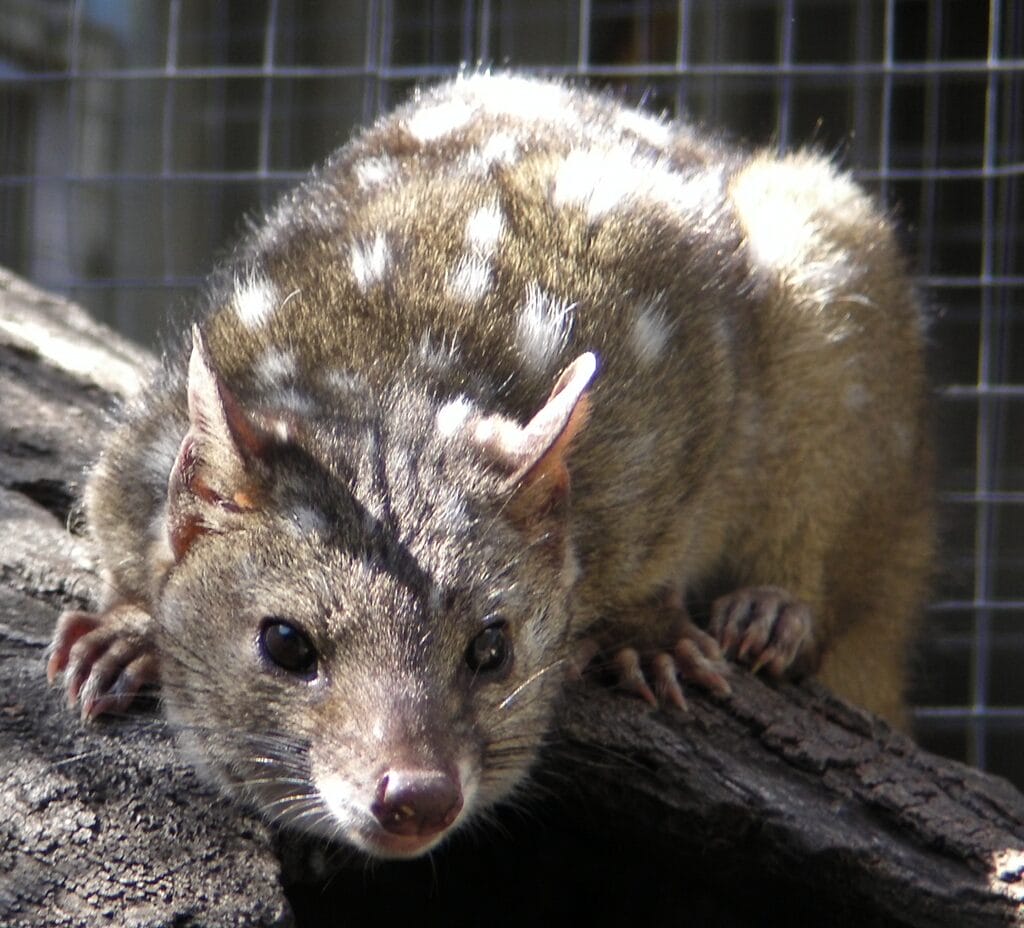
The discovery comes after months of conservation work to reintroduce western quolls to the protected sanctuary. Researchers say the arrival of healthy young confirms the animals have adapted well to their new environment. One particularly memorable quoll, nicknamed Aang, has become a favorite among the team, regularly appearing on camera traps and cleverly collecting the chicken bait used to monitor wildlife.
Conservationists are celebrating the successful breeding as a major milestone in the effort to restore the species. With continued protection and monitoring, they hope the western quoll population will continue to grow and eventually reclaim more of its former range across Australia. For now, these tiny, spiky newcomers represent a powerful reminder that dedicated conservation work can help bring endangered species back from the brink.