According to a statement from Bart Edmiston Jr.’s family, he fully cooperated with investigators looking into Nolan Wells’ death. They say Bart provided a list of possible witnesses, shared access to his digital activity, allowed officers to review his cellphone, provided requested photos and videos, and permitted inspections of his boat and GPS device.
His family claims he did all of this without asking for an attorney, without investigators needing search warrants, and without hesitation. The statement has drawn attention online, especially because other people connected to the case reportedly chose to obtain legal representation early in the investigation.
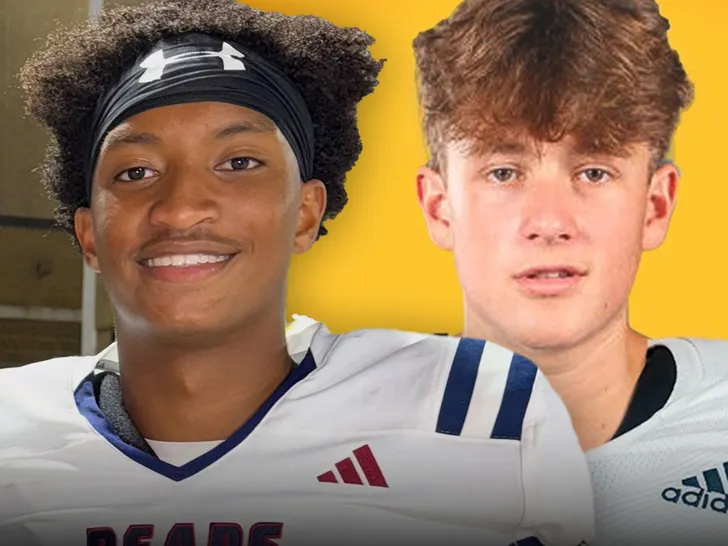
The different approaches have led to intense discussion among people following the case. Some believe that someone who voluntarily cooperates with police may have nothing to hide, while others argue that seeking legal advice does not automatically mean someone is guilty or involved.
From a legal perspective, neither cooperation nor hiring an attorney proves innocence or guilt. People have the right to protect themselves during an investigation, and investigators must examine all available evidence — including witness accounts, digital records, forensic evidence, and physical information — before reaching conclusions about what happened. The truth ultimately depends on the complete picture, not just one decision made during an investigation.