Head lice are a common problem, especially among school-aged children. They spread through direct head-to-head contact, making classrooms, sleepovers, and playtime the perfect environment for them to pass from one child to another. While lice don’t carry diseases, they can cause persistent itching and quickly spread throughout a household if left untreated.
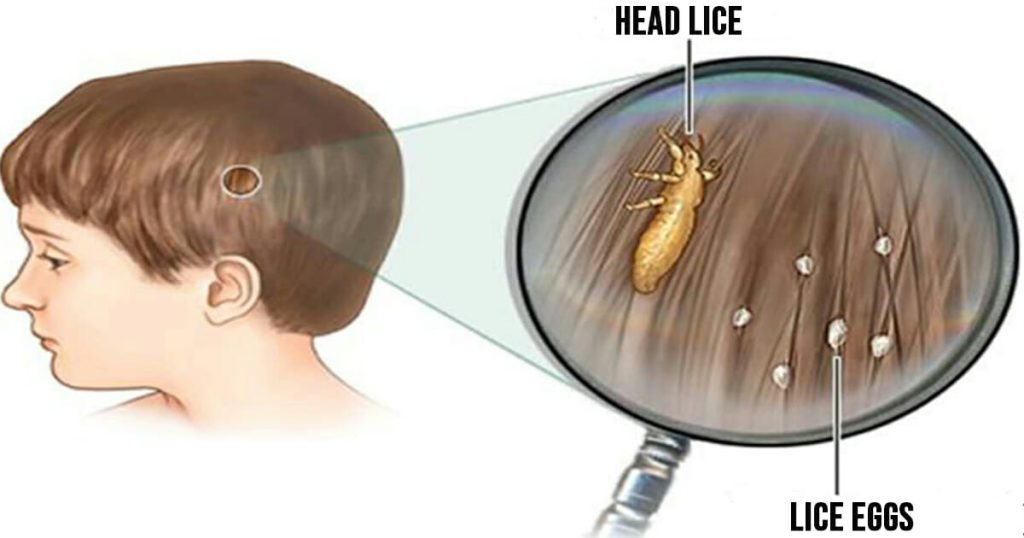
The first sign is often an itchy scalp, although symptoms may not appear for four to six weeks after infestation. Lice are tiny insects that are usually gray, brown, or black, while their eggs, called nits, attach firmly to hair close to the scalp. The most reliable way to check for lice is by using a fine-toothed lice comb on wet hair and carefully inspecting the scalp, especially behind the ears and at the back of the neck.
Treatment works best when live lice are confirmed. Over-the-counter lice treatments can be effective, but thorough combing is essential to remove both lice and eggs. Some people also use home remedies such as vinegar, though scientific evidence supporting these methods is limited. Regardless of the treatment you choose, it’s important to repeat combing over several days and follow the product instructions carefully to prevent reinfestation.
To reduce the risk of lice returning, encourage children to avoid direct head-to-head contact during play and avoid sharing items like hats, hairbrushes, or hair accessories. Regularly checking your child’s hair during the school year can help catch an infestation early, making it much easier to treat before it spreads to the rest of the family.