Visible blue or bulging veins can look alarming, but they are often completely normal. They may become more noticeable as people age, lose body fat, have thinner skin, or exercise regularly. Heavy workouts can temporarily make veins stand out because increased blood flow and muscle expansion push superficial veins closer to the skin.
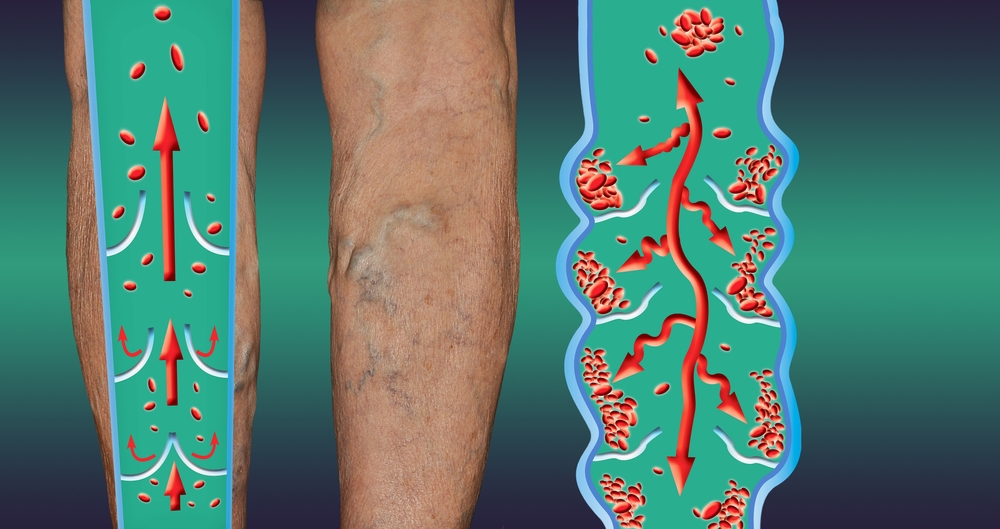
However, a sudden change deserves more attention. If a vein becomes painful, warm, red, swollen, or unusually hard, it could indicate inflammation or another vascular problem. Swelling and pain—particularly in an arm or leg—can sometimes be associated with a blood clot, so those symptoms should not simply be ignored.
There are also simple habits that support healthy circulation. Staying physically active, avoiding long periods of sitting or standing, maintaining a healthy weight, and not smoking can all benefit your vascular health. For people with troublesome varicose veins, doctors may recommend treatments ranging from compression garments and lifestyle changes to medical procedures.
The important thing is not to panic simply because your veins are visible. For many people, prominent veins are a normal feature rather than a warning sign. But if the appearance changes suddenly or you develop pain, redness, warmth, significant swelling, or breathing problems, seek medical attention promptly.