A massive insect with a powerful sting and a frightening reputation caused alarm across North America after the Northern giant hornet—once widely called the “murder hornet”—was discovered in the Pacific Northwest in 2019. With its large size, orange-and-black body, and aggressive behavior, this invasive species quickly became a concern for scientists, beekeepers, and agricultural officials.
The biggest threat was to honeybee colonies. Giant hornets are skilled predators that can attack beehives in groups, killing large numbers of bees and using the remaining larvae as food for their own young. Because many North American honeybees have not developed natural defenses against this predator, experts worried about the impact on pollinators and agriculture.
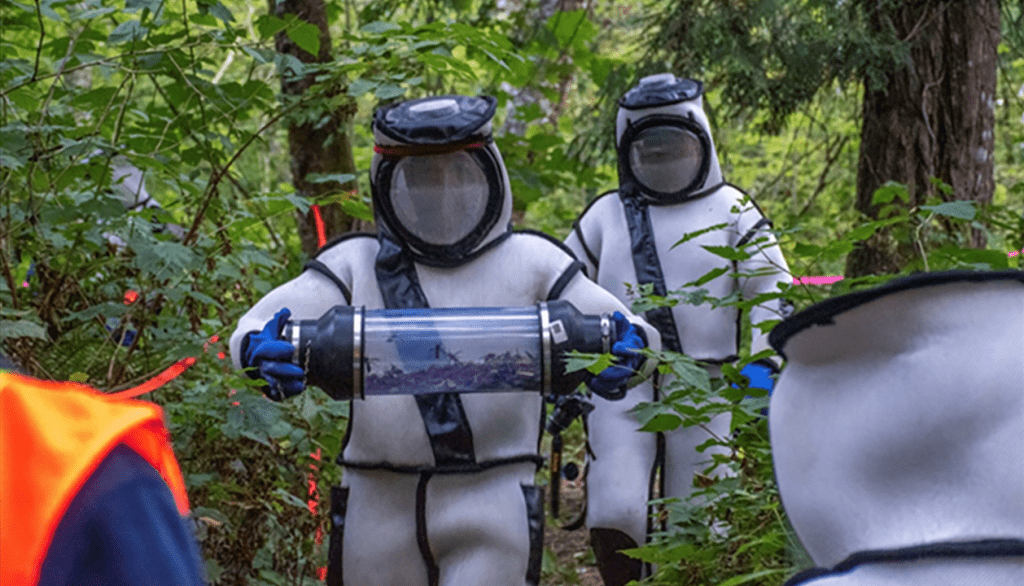
The hornet also raised concerns about human safety. Although most people are not at serious risk from a single encounter, multiple stings or allergic reactions can become dangerous. To prevent the species from spreading, scientists created monitoring programs using specialized traps and tiny tracking devices that helped them locate hidden nests and remove colonies.
The battle against the giant hornet shows how quickly invasive species can disrupt local ecosystems. Through careful research, public reporting, and rapid response efforts, officials continue working to protect honeybees, agriculture, and native wildlife from this powerful predator.