Fashion has always reflected changing ideas of beauty, creativity, and culture. But one debate continues to follow the industry: why do some runways still feature extremely thin models despite growing calls for healthier and more diverse beauty standards? The discussion is not about criticizing individual models, but about how fashion influences the way people view appearance, confidence, and self-image.
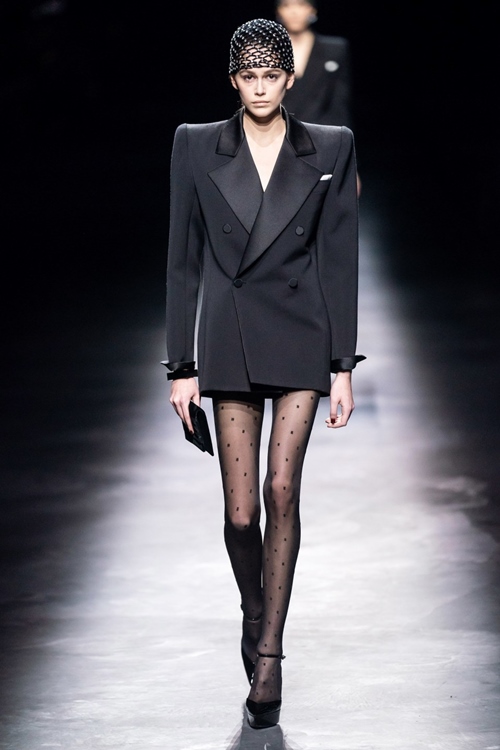
For decades, high fashion has favored tall and very slim models because designers believed certain body proportions allowed clothing designs to stand out. Sample garments are often created in limited sizes, making it easier for brands to select models who fit those measurements. Supporters see this as part of artistic expression, while critics argue that it can promote unrealistic expectations.
In recent years, governments and fashion organizations have introduced health initiatives aimed at improving conditions for models. Some countries require health checks, while major fashion companies have created guidelines focused on age limits, safety, and overall well-being. However, changing a global industry built on decades of tradition remains a slow process.
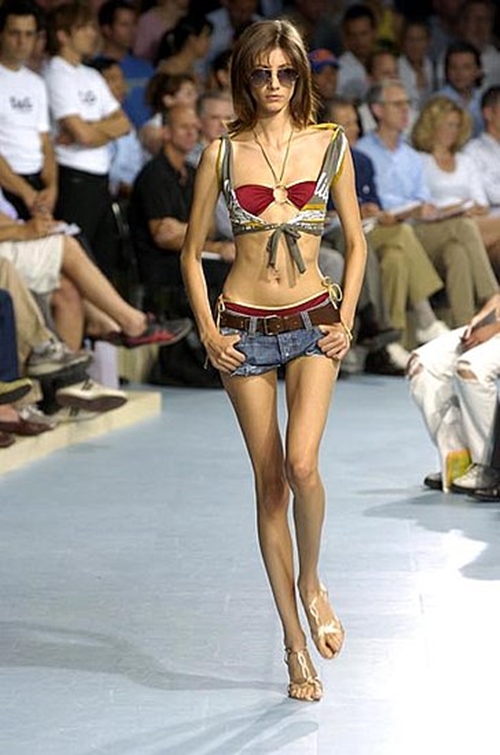
At the same time, fashion is becoming more inclusive. Many brands now feature models of different ages, body shapes, and backgrounds in advertising campaigns and online stores. As consumers demand greater representation, the industry continues to search for a balance between artistic freedom, creativity, and responsibility toward the people who inspire fashion trends worldwide.