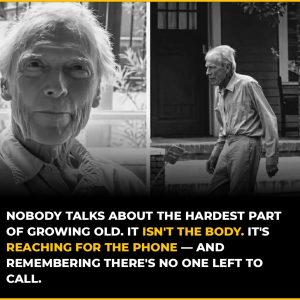
Dementia is a progressive condition, but early recognition and healthy lifestyle choices can help protect cognitive function and strengthen brain resilience. It’s important not to ignore early warning signs such as persistent short-term memory loss, difficulty completing familiar tasks, sudden mood changes, or confusion about time and place. These changes go beyond normal forgetfulness and may indicate deeper issues in brain health.
One of the most common signs is memory loss that disrupts daily life, such as repeatedly asking the same questions or forgetting recently learned information. Other warning signs include struggling with routine activities like managing finances or following familiar recipes, difficulty with language or conversations, and becoming disoriented in places that were once familiar. Some people may also show noticeable personality changes, such as increased anxiety, suspicion, or withdrawal, and in some cases even a reduced sense of smell has been linked to early brain changes.
While there is currently no cure, research shows that lifestyle plays a major role in slowing cognitive decline. Regular physical activity improves blood flow to the brain, while a nutrient-rich diet such as the Mediterranean or MIND diet supports long-term brain health. Mental stimulation through reading, learning, or new hobbies helps build cognitive reserve, and staying socially active reduces isolation, which can speed up decline.
Quality sleep is also essential, as the brain uses rest to clear toxins, while managing blood pressure, cholesterol, and diabetes further supports long-term cognitive health. Together, these habits can help preserve brain function and improve quality of life over time.