A federal judge has ruled that Illinois laws allowing certain undocumented immigrants to receive in-state tuition and state-funded financial aid at public colleges violate federal law. The decision marks a significant legal victory for the Trump administration and could influence similar policies in other states. The lawsuit argued that Illinois improperly granted educational benefits to some undocumented students that were not available to many U.S. citizens living outside the state.
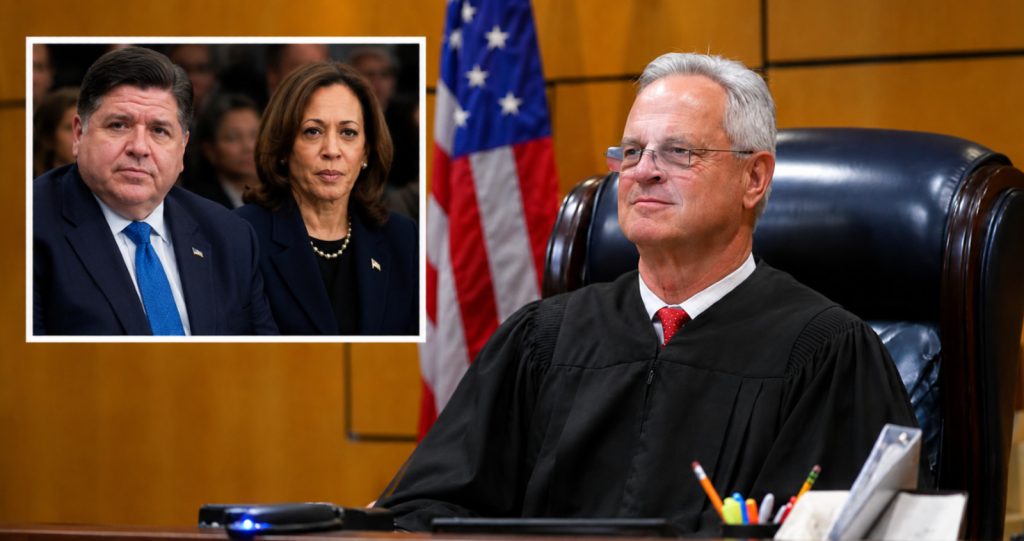
U.S. District Judge David W. Dugan struck down both Illinois’ in-state tuition policy and the Retention of Illinois Students & Equity (RISE) Act. The law had allowed eligible students who attended an Illinois high school for at least three years and pledged to seek legal permanent residency when eligible to qualify for state financial aid. Federal prosecutors argued these provisions conflicted with federal immigration law.
The Justice Department maintained that federal law generally prohibits states from offering postsecondary education benefits to undocumented immigrants based on residency unless those same benefits are available to all U.S. citizens, regardless of where they live. Supporters of the Illinois programs argued they were designed to help students who had grown up and attended school in the state continue their education despite their immigration status.
Illinois officials had not announced whether they would appeal the ruling at the time of the decision. If appealed, the case would move to the U.S. Court of Appeals for the Seventh Circuit. Because several other states have similar tuition and financial aid policies, the ruling could have broader implications for future legal challenges involving state education programs and federal immigration law.