More than a century after the Titanic sank on April 15, 1912, one mystery continues to fascinate people around the world: why were so few bodies ever found? When the “unsinkable” ship disappeared beneath the Atlantic, more than 1,500 passengers and crew lost their lives. Yet when the wreck was discovered in 1985, explorers found almost no human remains.
The Titanic rests more than 12,000 feet below the ocean’s surface, where extreme pressure, freezing temperatures, and unique conditions have changed everything over time. Although shoes, clothing, and personal belongings remain scattered around the wreck, the bodies themselves have disappeared. Experts explain that marine organisms consumed soft tissue, while the deep-sea environment eventually caused bones to dissolve.
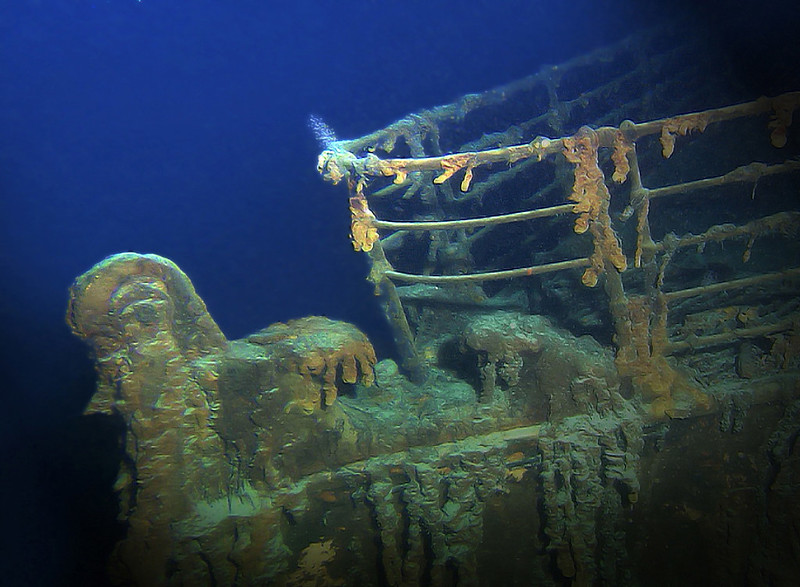
Explorer Robert Ballard, who discovered the wreck, explained that the water at those depths lacks enough calcium carbonate to preserve bones. Once exposed, human remains could slowly break down and vanish completely. This explains why explorers have found signs of the people who were there, but almost no physical remains.
The Titanic wreck continues to reveal new stories while slowly being reclaimed by nature. Rust-eating bacteria are weakening the ship, and scientists believe the legendary vessel may eventually collapse. The mystery of the missing bodies remains a haunting reminder of the power of the ocean and the thousands of lives lost in one of history’s greatest maritime tragedies.